Step 1 – Consultation
Evaluation of product slate, throughput demand, and site constraints, including soil conditions and zoning.
End-to-end engineering, construction, and modernization of gasoline and petroleum bulk stations designed to meet international safety, environmental, and operational standards.

End-to-end engineering of gasoline and petroleum bulk stations designed to meet international safety and environmental standards. Specializing in various types such as fixed-roof, cryogenic and bullet tanks.


Evaluation of product slate, throughput demand, and site constraints, including soil conditions and zoning.

The engineering work begins, implementing the desired standards into the blueprints.

We review compliance auditing and performance validation through calculation packages, SIL/LOPA assessments.
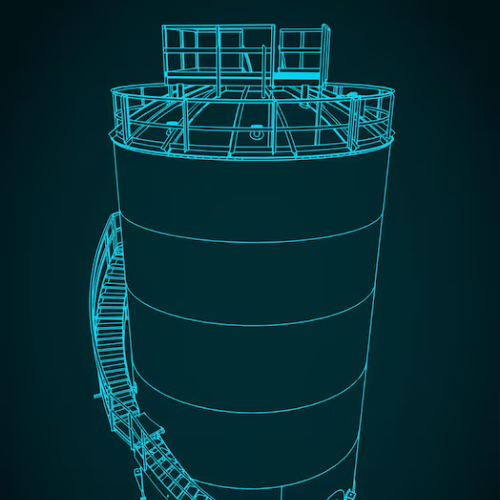
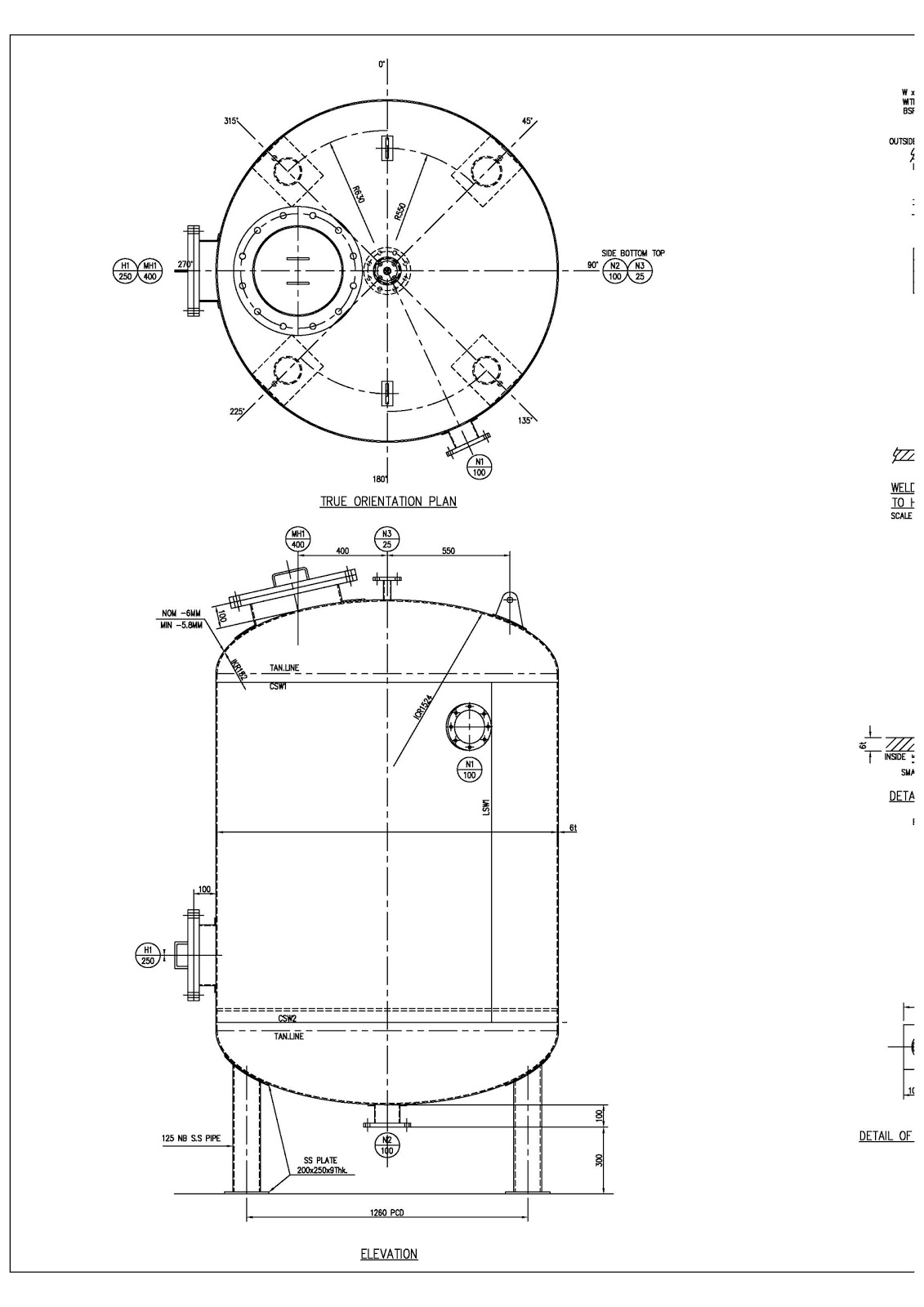
National Valuation Services specializes in the design of petroleum bulk storage tank systems for terminals and depots handling crude, refined products, and aviation fuels. We develop compliant atmospheric storage tanks, including fixed-roof, external floating roof, and internal floating roof configurations, with full consideration of vapor control and emissions mitigation. Engineering deliverables include PFDs, P&IDs, tank settlement analysis, and API 2000 venting calculations. Our modelling is used for further transfer line optimization, surge control and pump selection. We integrate NFPA 30 fire protection zoning, overfill prevention systems, and secondary containment design, ensuring robust, regulation-compliant terminal infrastructure from concept through detailed engineering validation.


We analyze site conditions and interpret capacity requirements alongside logistics flow and product classification to understand how the terminal must operate in practice. Storage demand and regulatory constraints including environmental safety and fire codes are assessed to shape a viable engineering concept that balances layout efficiency operational reliability lifecycle cost and full compliance with applicable industry standards and permitting requirements.
Read more
Our FEED packages reduce project risk by establishing a clearly defined engineering scope validating process assumptions and resolving key design uncertainties early in development. They support accurate budgeting through disciplined cost estimation, equipment sizing and preliminary material take offs while also aligning stakeholders on execution strategy, schedule expectations and regulatory requirements before any deeper engineering commences.
Read more
After front end engineering we deliver detailed engineering design packages that convert FEED outputs into fully defined technical deliverables. This includes equipment specifications, piping design, civil and structural calculations, electrical and instrumentation engineering and control system architecture. We resolve interface coordination, perform design verification and ensure compliance with applicable codes and standards to support procurement, construction, and safe operational readiness.
Read more

Our petroleum bulk station engineering services are developed around the operational demands of each
facility, whether the site handles diesel, gasoline, aviation fuel, crude oil, or multi product distribution. We
evaluate throughput targets, storage capacity, transfer efficiency, tanker loading operations, and safety
zoning requirements to produce layouts that support reliable long-term terminal performance under site-specific operating conditions.
Every project is engineered to suit the physical and regulatory characteristics of the location, including
terrain limitations, environmental controls, hazardous area classification and future expansion
requirements. Our team develops customized tank farm layouts, pumping systems, transfer piping
networks, and fire protection integration that align with operational priorities, maintenance access
requirements, and applicable API, NFPA and environmental compliance standards.
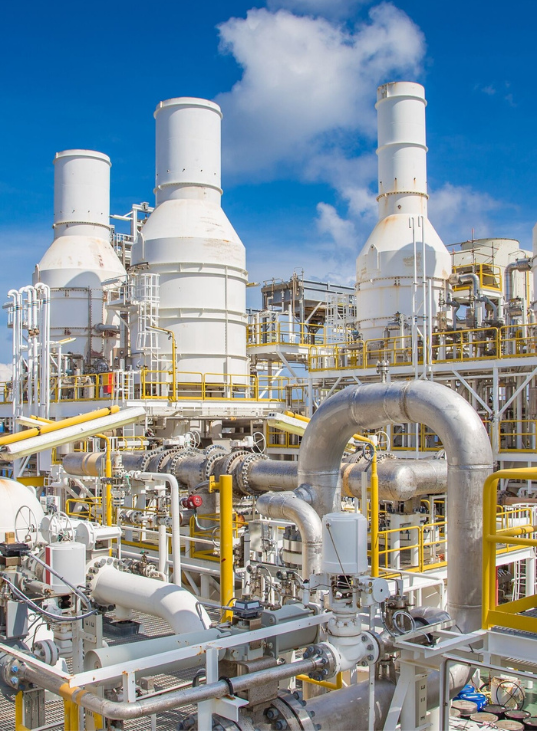



We’re committed to supporting industries that depend on safe and efficient bulk petroleum storage infrastructure for daily operations and long term growth. Our team specializes exclusively in this highly technical sector and understands the operational, regulatory and engineering complexities involved in terminal and tank farm design. This focused expertise allows us have a greater understanding of this sector.
We work in this niche, allowing us to greater experts in this field than our competitors.
We ensure that we comply with all standards such as the API 2610, UL 142 and NFPA 70.

Clients who require absolute confidence in the safety, performance and regulatory compliance of their gasoline and petroleum bulk stations - choose us. Our strength lies in combining advanced engineering expertise with practical real world experience across fuel storage engineering. This allows us to deliver technically robust projects that support operational reliability, environmental protection, fire safety integration and long-term infrastructure performance under demanding operating conditions.
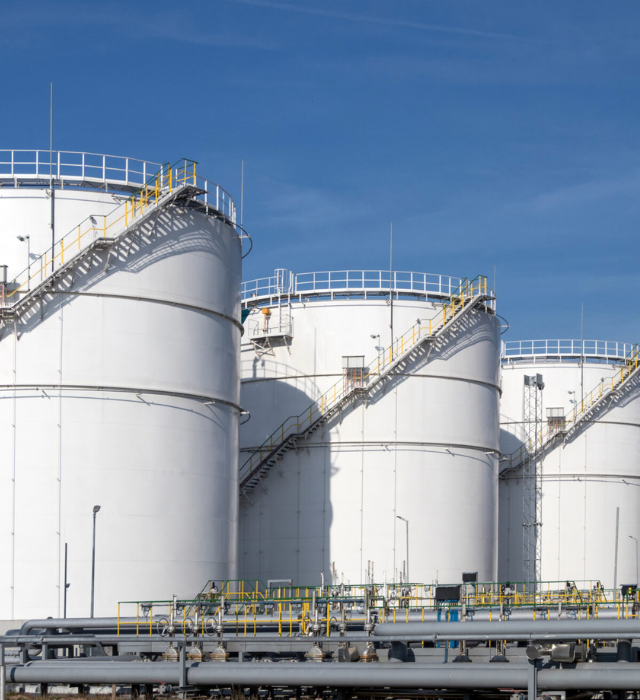

With nearly two decades of experience in petroleum storage engineering, our team has developed
extensive technical knowledge across bulk fuel terminals, tank farms and transfer infrastructure projects.
Over the years, we have successfully navigated complex engineering challenges involving hazardous area
compliance, storage optimization, fire protection integration, hydraulic performance and environmental risk
management.
This experience has strengthened our ability to deliver practical and technically sound solutions under
demanding operational conditions. By working across a wide range of petroleum storage applications and
regulatory environments, we have built the expertise required to confidently engineer new and complex
projects while maintaining high standards of safety, reliability and long term operational performance.
Our Hazard and Operability Study (HAZOP) identifies operational hazards for personnel and equipment. We see the vulnerabilities within petroleum storage and fuel handling facilities before they become critical issues. We systematically review process deviations, equipment failures, fire and explosion scenarios and operational risks to improve safety, reliability and regulatory compliance. These studies support informed engineering decisions during FEED and detailed design stages while helping operators reduce downtime, strengthen protection systems, and maintain safe long-term terminal operations.


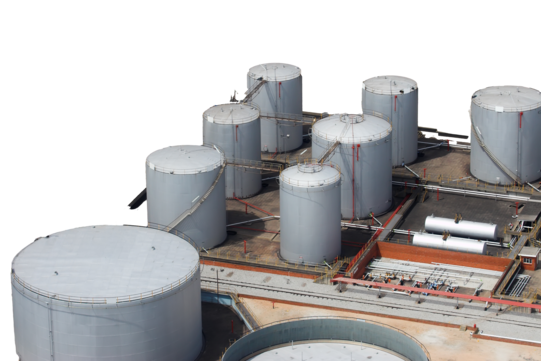
Delivering bespoke petroleum bulk storage engineering services. Specializing in this sector, we bring years of experience to create perfect projects for your specific requirements.


Licensed Professional Engineer
National Association of Corrosion Engineers
American Petroleum Institute
EPA SPCC